
About Faberge Style
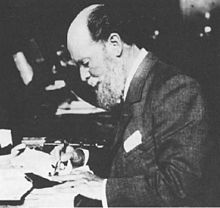
About Carl Fabergé
Peter Carl Fabergé (known in Russia as Karl Gustavovich Fabergé) was a Russian jeweler of French origin. He is best known for the famous Fabergé eggs, made in the style of genuine Easter eggs. The eggs were created from precious metals or hard stones and decorated with a combination of enamel and gemstones.
The term "Fabergé egg" has become a synonym for luxury, and the eggs are regarded as masterpieces of the jeweler's art. Of the 69 Fabergé eggs known to have been made, 57 have survived to this day. The Fabergé style has inspired artists and jewelry makers around the world for more than 100 years and remains very popular today.
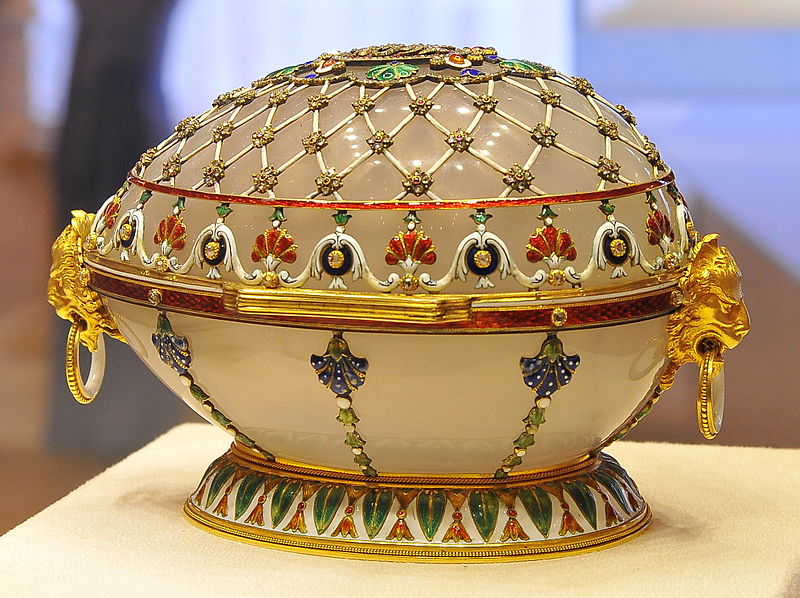
Fabergé-Style Collection
The name Fabergé evokes images of the glittering world of the last Tsars of Russia, and of priceless treasures created, regardless of time or cost, as royal gifts for special occasions. To create each egg, the Fabergé firm combined the work of craftsmen of many different skills, from metalsmithing to diamond cutting and from enamel work to painting. Pieces styled as Easter eggs quickly became fashionable, and beyond being keepsakes they could serve as clock cases, boxes or photo frames.
The Keren Kopal collection includes many Easter eggs, trinket boxes and special collector's items in the Fabergé style, which has inspired us to create these pieces for your home decor.
Keren Kopal is an independent brand and is not affiliated with the House of Fabergé.
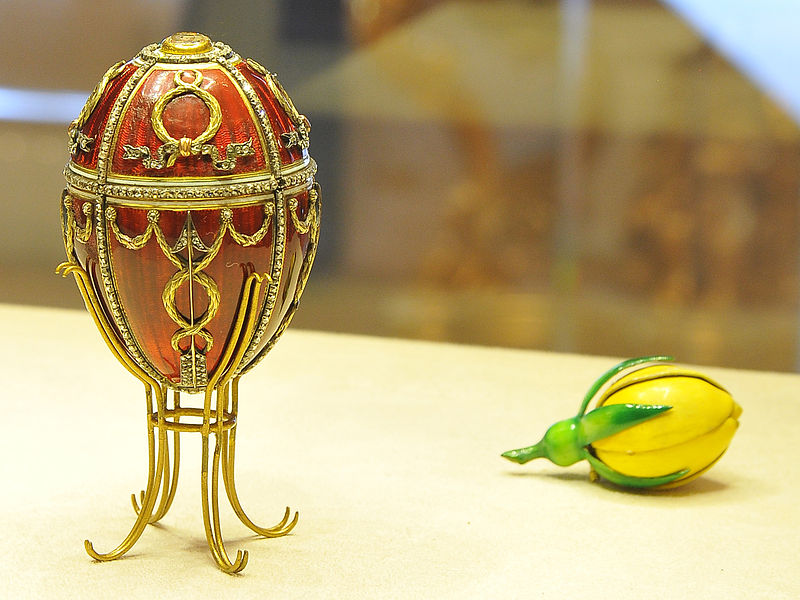
The Fabergé Egg
A Fabergé egg is a jeweled egg created by the House of Fabergé. The 69 known eggs were made under the supervision of Peter Carl Fabergé between 1885 and 1917. The most famous are those made for the Russian Tsars Alexander III and Nicholas II as Easter gifts for their wives and mothers.
The House of Fabergé made 50 "Imperial" Easter eggs, of which 43 are known to survive. Two eggs planned for Easter 1917 were never delivered because of the Russian Revolution, in which the Romanov dynasty was overthrown.